


The School to Prison to Parole Pipeline in Minnesota

This week I attended a lecture organized by DFL SD46 about mass incarceration presented by the University of Minnesota's Dr. Adam Lê. He shared research about Minnesota's unique reliance on probation as a major component of the criminal legal system. I have recently witnessed some of the shortcomings of our probation system, and wonder what we might be able to do to improve it.
According to The Council of State Governments Justice Center in May 2022,
Under Minnesota's determinate sentencing laws, most felony sentences are split so that an individual serves two-thirds of their sentence in prison and the remaining one-third on supervised release (Minnesota's version of parole).
Minnesota in unique in its strong reliance on supervised release.
Minnesota has historically boasted a low incarceration rate compared to the rest of the United States. But when we add community supervision—probation, parole, and supervised release—to this number, 2023 rankings place Minnesota as the 13th most punitive state. Simply put by scholar Michelle Phelps, while other states have a “mass incarceration” problem, we rely on “mass probation.” A steady decline in probation numbers over the last 20 years, however, signals that Minnesota is making evidence-based changes to its practices.
- Will Cooley, 2026.

Passed in 2023 and rolling out in phases through 2027, the Minnesota Rehabilitation and Reinvestment Act shifts Minnesota away from its rigid two-thirds prison requirement toward an earned-credit model. Read more:
The Minnesota Rehabilitation and Reinvestment Act is under scrutiny. The program, passed in 2023 and administered by the Minnesota Department of Corrections, is an incentive program for prison inmates designed to allow eligible individuals to shorten their sentences. David Boehnke, organizer and author for the Minnesota Reformer, says the DOC has broken promises.
"At the current pace, it would take the DOC 100 years to consider for review those currently eligible," says Boehnke. "And new DOC data shows that as of October of 2026, only 22 people have been released this year, and Black people are 300% underrepresented in those releases." Boehnke said more than 3,000 people who are eligible for consideration are currently being excluded.
- Reported by Ari Bergeron and Gracie Stockton, 2026.
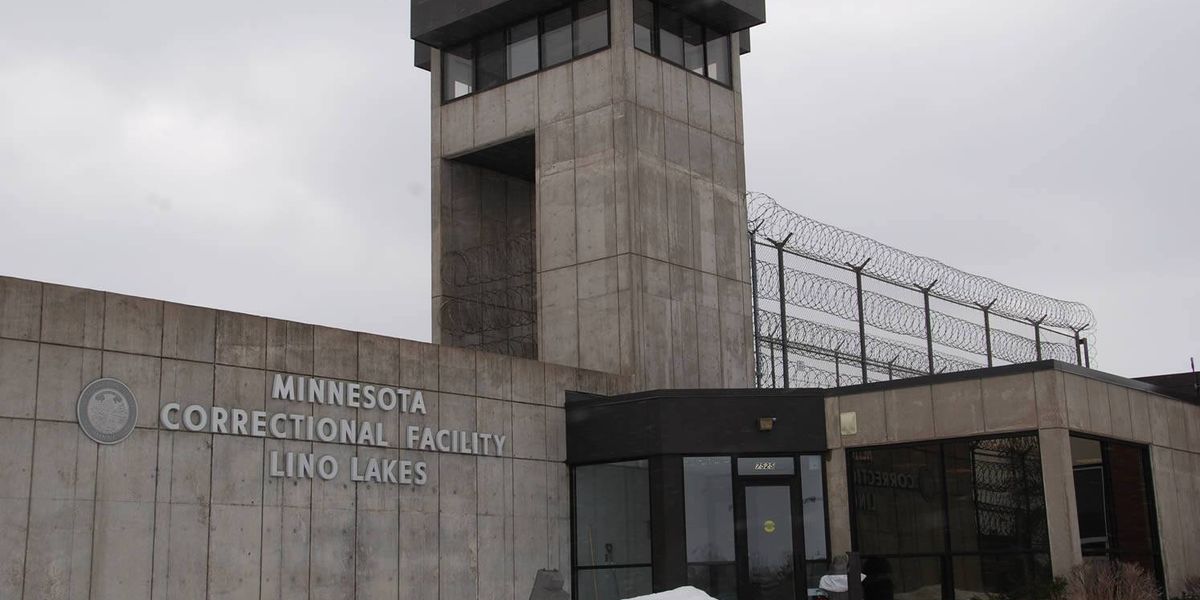
One concern that I have with probation is that it is not always clear to participants when their probation is over. When I asked Google's AI "how do you know when you are done with probation?", I got a long response:
You are officially done with probation once a judge signs and files a formal Discharge Order, or when your court-ordered supervision period expires without any pending violations. [1, 2, 3]
In Minnesota, you should never rely solely on a calendar date to assume you are finished. Administrative delays or unresolved conditions can keep a case open, so verifying your status through official channels is essential. [1]
1. How to Verify Your Probation Status in Minnesota
Check Minnesota Court Records Online (MCRO). Look up your case on the Minnesota Court Records Online (MCRO) portal using your name or case number. Open the Register of Actions and look for an entry labeled "Discharge from Probation," "Order for Discharge," or a case status showing "Closed." [1, 2]
Get Written Confirmation from Your Probation Officer. Before your scheduled end date, ask your supervising agent if all conditions are satisfied. Once the court processes your completion, request a copy of the signed discharge order or certificate for your personal records. [1]
Contact the District Court Clerk. If your end date has passed and MCRO has not updated, call the court administrator's office in the county where you were sentenced. They can confirm whether a judge has signed off on your discharge. [1, 2]
2. What Can Delay or Prevent Discharge
Even if your calendar end date arrives, your probation will not cleanly close if certain loose ends remain:
The Six-Month Revocation Window. Under Minnesota Statute § 609.135, if a formal discharge order is not signed immediately, a person is legally discharged six months after the stay expires—unless a violation occurred. Prosecutors and probation officers have up to six months after your expiration date to file revocation proceedings for violations that happened during your term. [1]
Incomplete Treatment. If court-ordered treatment is not finished at least 60 days before your term expires, your probation officer or prosecutor can ask the court to extend your probation for up to three years. [1]
Unpaid Restitution or Fines. The court can hold a review hearing before your term ends if restitution remains unpaid. While unpaid court fines and fees are typically sent to collections rather than extending probation, unresolved restitution can delay your discharge. [1]
3. Ending Probation Early
You do not always have to wait until the original expiration date: [1]
Motion for Early Discharge. Once you have completed at least half of your term, paid all fines and restitution, and finished all required programming, you or your attorney can petition the sentencing judge for early termination. Having your probation officer's support greatly increases the odds of approval.
Earned Credits (MRRA). If you are on supervised release following a prison term rather than standard probation, you can shorten your supervision window through Earned Compliance Credits under the Minnesota Rehabilitation and Reinvestment Act. [1, 2, 3, 4, 5]
Can we do better? We all do better when we all do better.


Comments