


Be a healthcare leader
Updated: Oct 15
We have a strong idea of what "A" word is leading voters to the polls this fall: Affordability. What you might not realize is that many people think of healthcare as being an especially stressful and unpredictable component in the affordability puzzle.
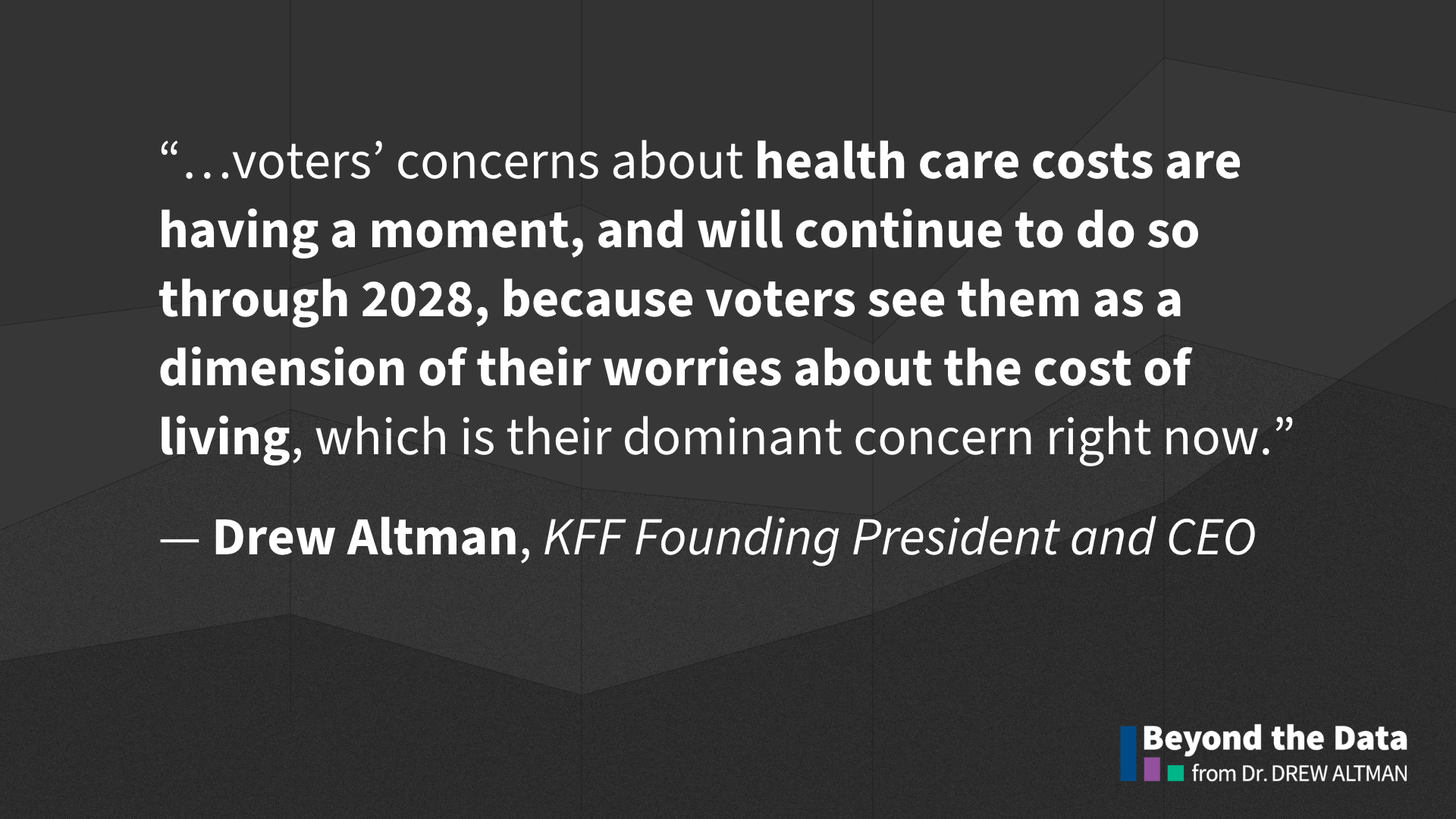
"Health care costs are far less predictable than other costs of living. Anyone could have a major accident or be diagnosed with a major illness and face a big medical bill. This, I suspect, is why health costs, surprisingly, rank up there with the cost of gas, which is in the news every day. Health costs are a special kind of financial worry.
Note that the costs voters care about are their own health care bills, not national health spending, or employer premiums, or value, or federal or state health spending... I suspect that frustration with the health care and insurance systems also figure into voter discontent. In another poll, we found that people say prior authorization was their single biggest burden getting health care other than costs." (A Guide to the Role of Health in the Midterms, Drew Altman, KFF, 10/7/26)

Health costs have been getting a lot of attention this election cycle, but what do we really want to see our legislators act on this session? What can we reasonably expect them to do to move the needle for all of us? How much change are we really ready for?
"People have long supported health reform in the abstract but have been unwilling to change their own medical and insurance arrangements when health reform proposals were made, a third rail often exploited by opponents. In polling about Medicare-for-All, for example, we typically find that support drops dramatically if people believe it would mean eliminating private insurance.
In our latest poll, that changed somewhat. Support also dropped, but a slight majority continued to favor Medicare-for-All even when they heard private insurance might go away. That could be because anti-insurance company fervor has been whipped up recently, or because frustrations with the insurance system have risen, or for a host of reasons. It’s a change to keep an eye on." (A Guide to the Role of Health in the Midterms, Drew Altman, KFF, 10/7/26)
To me, this is an indication that it is the perfect time to get serious about healthcare for all Minnesotans. Ask your legislators where they stand on universal insurance, and circle back with them after the election to see if they are fighting for you on healthcare affordability. Follow up with questions about eligibility criteria, program administration, timeline, and funding. We need everyone, including both voters and candidates, to be a leader on healthcare this election season.
Read more on healthcare and voting here.
Remember healthcare costs as you head the polls this November.
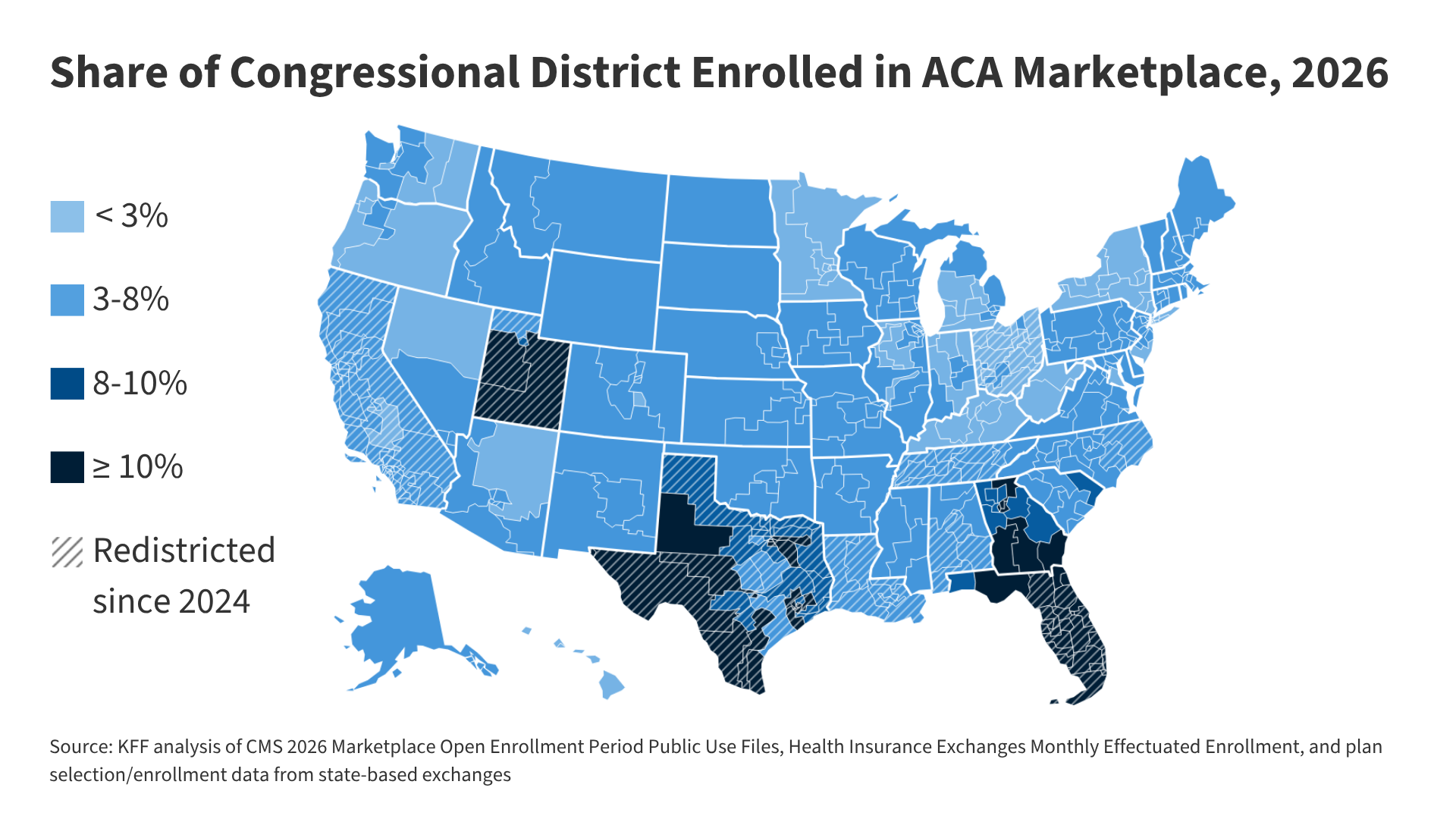
"Enrollment in the Affordable Care Act (ACA) Marketplaces fell in 2026 for the first time in seven years, following the expiration of the enhanced premium tax credits at the end of 2025. Nationally, effectuated enrollment declined from 21.8 million people in 2025 to 19.2 million in February 2026, a 12% drop, and is expected to further decline through the remainder of 2026. A KFF survey of 2025 Marketplace enrollees found that 1 in 10 reported they had become uninsured in early 2026. For remaining enrollees, health costs have risen substantially, with premium payments rising 58% on average, and deductibles up by 37% or about $1,000 per person." (KFF, Matt McGough, Justin Lo, Cynthia Cox, Oct 8, 2026)
Minnesota is not exempt form changes to ACA Marketplace enrollment in 2026.



Comments